


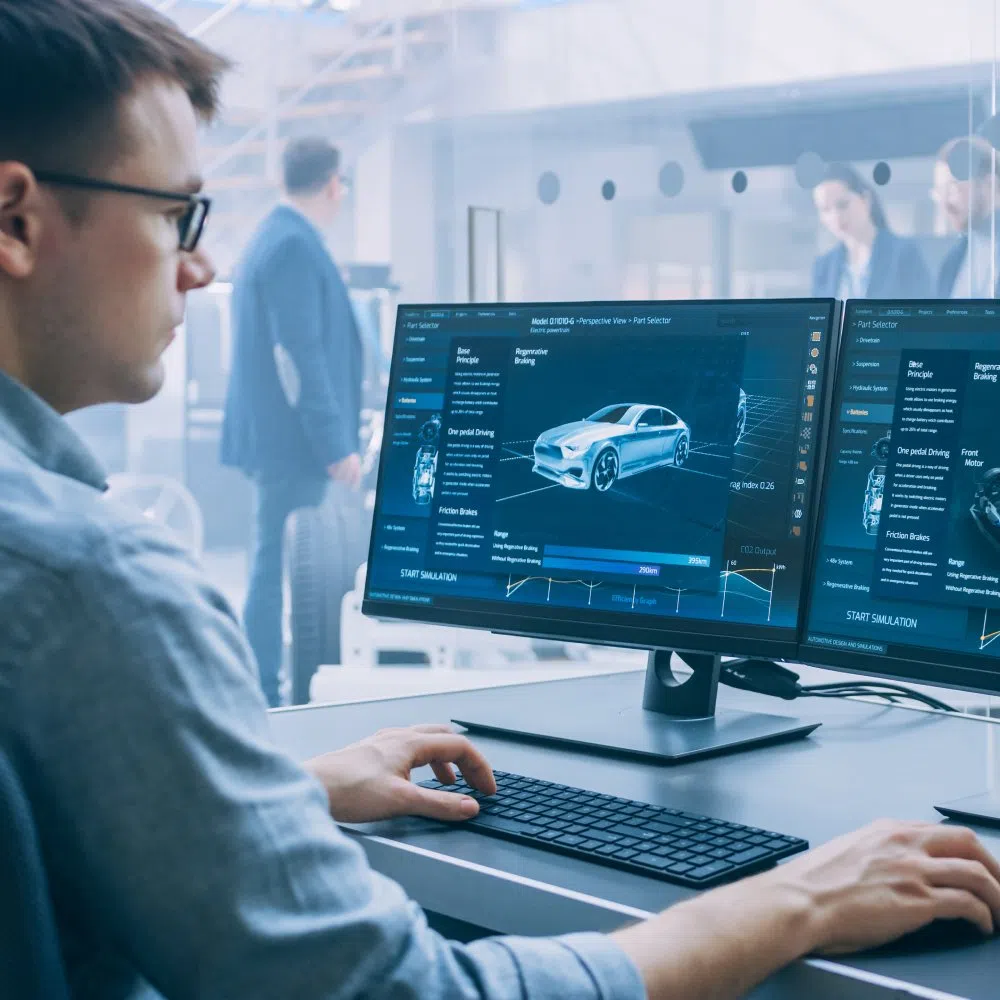
Modern vehicles contain impressive engineering that transforms the daily commute. Drivers enjoy features that were once considered impossible a decade ago. From headlights that dodge traffic to phones that unlock doors, the most remarkable innovations in automotive technology right now are redefining transportation. Manufacturers push boundaries every year, offering convenience and safety in equal measure.
Let’s take a quick peek at the future.
Your Phone Becomes the Key
Fumbling for keys often causes frustration for drivers. To address this issue, the Car Connectivity Consortium recently updated its digital key standards to support both Bluetooth Low Energy and Ultra-Wideband. This enhanced system enables passive entry, allowing you to approach your vehicle and have it unlock automatically without opening an app.
Ultra-Wideband technology provides precise positioning, which helps prevent relay attacks, a method where thieves trick the car into unlocking. By integrating these advanced features, the new standards significantly improve both security and convenience for vehicle owners.
Headlights That Adapt
Night driving is risky due to low visibility. Adaptive driving beam (ADB) headlights address this by adjusting the light pattern to boost safety. Approved by the NHTSA in 2022, these headlights project high beams on empty roads and dim LEDs around other vehicles to prevent glare.
Vehicle cameras monitor the environment and automatically adjust the lights for optimal visibility and to avoid dazzling others. This helps drivers see hazards clearly at night while reducing glare for others, making nighttime driving safer.
Power on Wheels
Electric vehicles are equipped with Vehicle-to-Load (V2L) capabilities, allowing the car to function as a mobile power source. This feature enables the vehicle to supply electricity to various devices such as camping gear, laptops, coffee makers, and even other electric vehicles.
It’s particularly useful during power outages, for emergency power, and in outdoor activities where access to electricity is limited. Owners can connect devices directly through a dedicated adapter or by plugging into an outlet located inside the vehicle’s cabin.
Updates Over the Air
Software plays a crucial role in defining the functionality and features of modern cars. Visiting a dealership solely for basic software updates is inefficient and time-consuming. Instead, automakers have adopted over-the-air (OTA) update technology, which enables manufacturers to remotely fix software bugs and enhance vehicle features without requiring a service appointment.
Tesla pioneered this approach, and many other automakers have since followed suit. These updates ensure your vehicle stays current with the latest navigation maps, new infotainment applications, and performance enhancements. As a result, your car continues to improve and evolve while parked in your driveway, enhancing safety, convenience, and driving enjoyment without any trips to the dealership.
Hardware Behind the Automation
Self-driving technology requires exceptional reliability. Cameras, LiDAR, and sensors generate vast amounts of data to enable safe road navigation, supported by specialized hardware that manages flow seamlessly.
As these systems become more complex, electrical connectors play a critical role in ensuring secure connections between components. Robust connectors are essential for fail-safe operations, even in harsh conditions.
The Future of Driving
Technology in the automotive sector is advancing rapidly. The latest innovations in automotive technology offer a clear glimpse into the future of mobility. Automakers are constantly pushing boundaries to stay ahead of the competition, delivering safer, smarter, and more capable vehicles to drivers.
Image Credit: Gorodenkoff, #286447622

Comments