


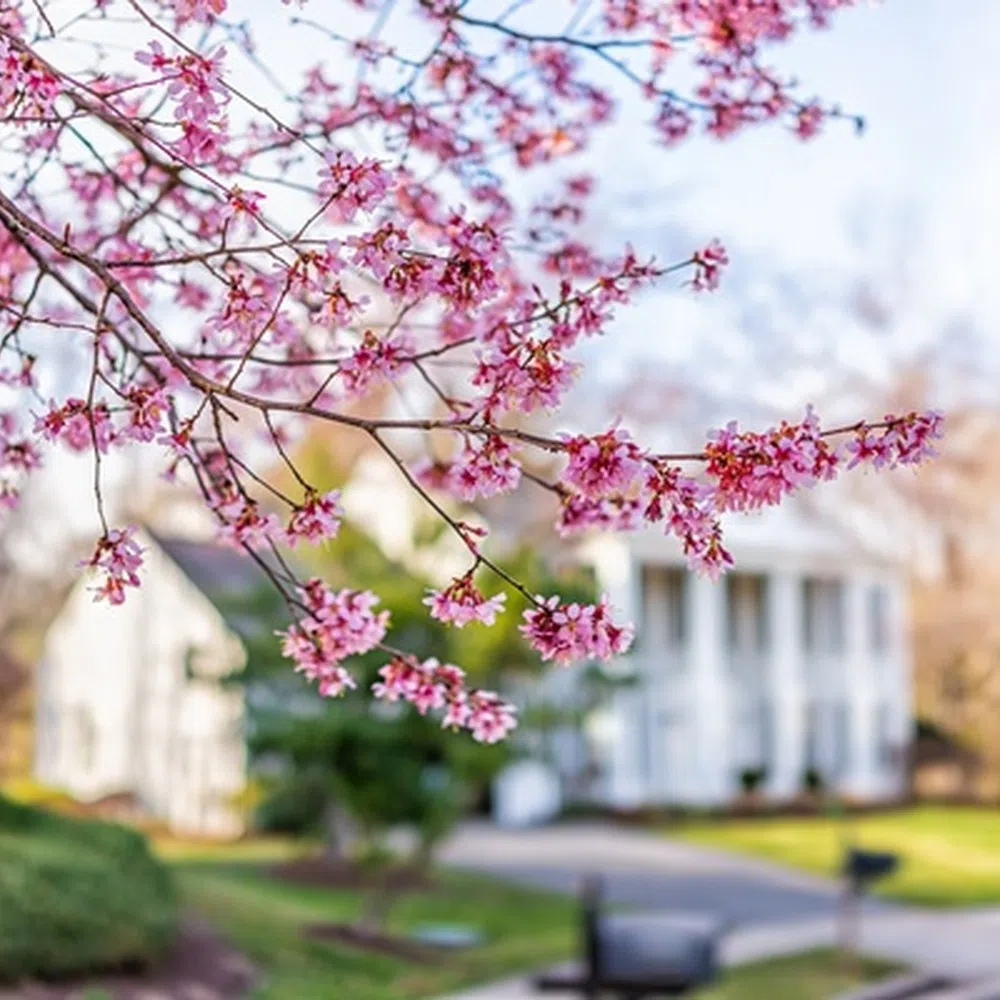
As winter fades, homeowners should turn their attention to the yard and prepare it for the growing season. Early preparation strengthens grass, supports healthy plants, and prevents costly problems later in the year. A clear plan helps you clean, repair, and refresh every part of your landscape. By addressing soil, turf, trees, and hardscape features now, you encourage strong growth and improve curb appeal.
Inspect and Clean Up Winter Debris
Start with a thorough inspection of your property. Walk across the lawn and look for fallen branches, compacted soil, and patches of dead grass. Rake leaves and remove twigs to allow sunlight and air to reach the soil. Clear flower beds of old mulch and weeds so new plants gain space and nutrients. If you notice damaged tree limbs, prune them to protect nearby structures and encourage balanced growth.
Revive Your Lawn
Healthy grass forms the foundation of an attractive yard. Begin by dethatching areas where thick organic buildup blocks water and nutrients. Aerate compacted soil to improve root development and increase drainage. After aeration, spread a balanced fertilizer to promote steady growth. Overseed thin spots and water consistently to support germination. Adjust your mower height to avoid cutting blades too short, which can weaken turf and invite weeds.
Prepare Trees and Shrubs
Trees and shrubs require careful attention before new growth begins. Trim overgrown branches to shape plants and remove weak wood. Cut away any remaining tree stumps or schedule stump grinding to eliminate tripping hazards and deter pests. Apply fresh mulch around the base of each plant but keep it a few inches away from the trunk to prevent rot. Inspect for early signs of disease or insect activity, and address problems before they spread.
Refresh Garden Beds
Well-planned garden beds enhance color and structure throughout the season. Loosen the soil with a spade or fork to improve aeration and root penetration. Mix compost into the top layer to enrich nutrients and support beneficial microorganisms. As you plan new plantings, consider the following steps:
- Choose plants that match your climate and soil conditions.
- Space each plant according to mature size to reduce overcrowding.
- Install edging to define borders and limit grass intrusion.
- Add a fresh layer of mulch to conserve moisture and suppress weeds.
Water new plantings deeply after installation to help roots establish quickly.
Check Hardscape and Irrigation Systems
Spring preparation should also include patios, walkways, fences, and watering equipment. Sweep surfaces and wash away dirt that accumulated over winter. Reset loose pavers and tighten fasteners on gates to maintain safety. Test your irrigation system for leaks, clogs, or misaligned sprinkler heads. Adjust watering schedules to reflect rising temperatures and plant needs. Prompt maintenance saves water and protects your landscaping investment.
Consistent effort each spring builds a healthier and more resilient yard. When you take time to clean, repair, and nourish your landscape, you set the stage for strong growth throughout the season. Focus on proactive tasks and address small issues before they escalate into expensive repairs. With organized planning and regular upkeep, your yard will reward you with reliable performance and lasting visual appeal. Thoughtful preparation now reduces stress later and helps you enjoy outdoor spaces with family and friends all season long.
Image Credentials: By Kristina Blokhin, File 362274361

Comments